Why Do We Use Dogs to Find Bed Bugs?
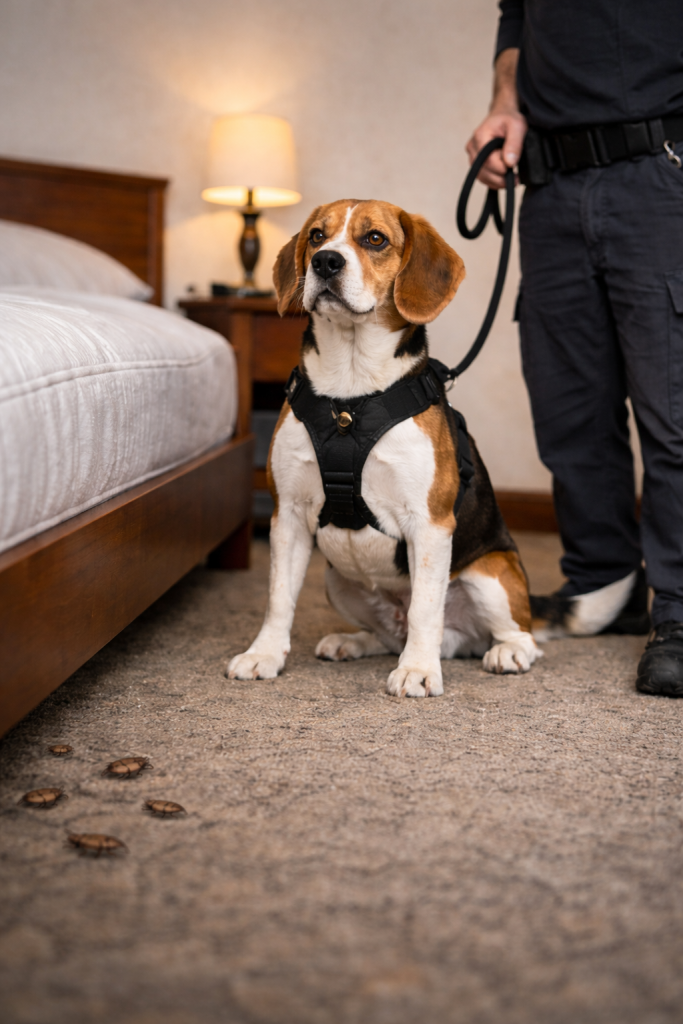
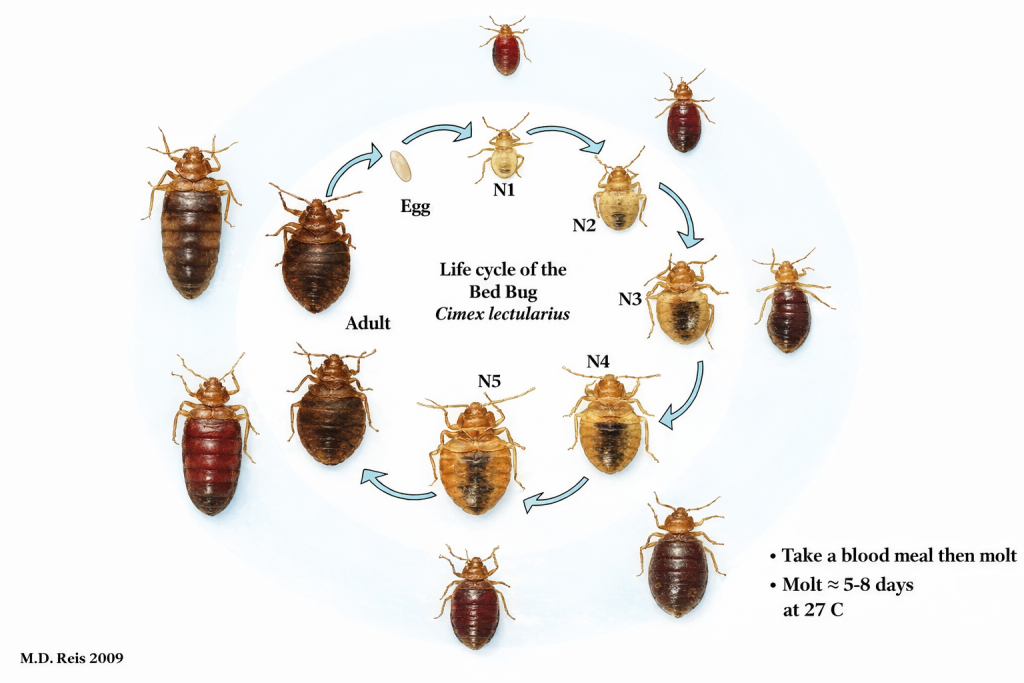
What Makes Bed Bugs Hard to Detect Bed bugs are incredibly small about the size of an apple seed and are mostly active at night. This nocturnal behavior makes them difficult to spot during the day when inspections usually take place. They are also masters of hiding. Bed bugs can be found in mattresses, box springs, furniture, cracks in walls, electrical outlets, and even behind wallpaper. Because they can squeeze into tiny crevices, a full visual inspection can easily miss them. In the early stages of an infestation, the problem is even harder to detect. There may be no visible signs at all, and bites can often be mistaken for other insect bites or skin conditions. Traditional inspection methods rely heavily on human eyesight, which has limitations. Even experienced pest control professionals can overlook well hidden bed bugs, especially in large or cluttered spaces. The Science Behind a Dog’s Sense of Smell Dogs have an extraordinary sense of smell that far surpasses that of humans. While humans have about 5 million scent receptors, dogs can have up to 300 million, depending on the breed. This allows them to detect even the faintest odors. When it comes to bed bugs, trained dogs can identify the specific scent of live bugs and their eggs. This is important because it helps distinguish active infestations from old or inactive ones. Dogs are also capable of scent discrimination, meaning they can be trained to recognize one specific odor among many. Even in environments filled with different smells like cleaning products, fabrics, or food trained dogs can focus on detecting bed bugs with impressive accuracy. Training Bed Bug Detection Dogs Training a bed bug detection dog is a structured and detailed process. It typically begins with exposing the dog to the scent of live bed bugs and their eggs. Dogs are trained using positive reinforcement techniques. When they correctly identify the scent, they are rewarded with treats, toys, or praise. This encourages them to associate the scent with a positive outcome. Over time, dogs learn to signal their handler often by sitting or pawing when they detect bed bugs. Training also involves practicing in different environments to ensure the dog can perform reliably in real-world situations. To ensure accuracy, many detection dogs undergo certification through professional organizations. Regular testing and ongoing training are required to maintain high performance standards. Benefits of Using Dogs for Bed Bug Detection One of the biggest advantages of using dogs is speed. A trained detection dog can inspect a room in just minutes, compared to the much longer time required for a thorough human inspection. Dogs are also highly accurate. Studies and field experience have shown that well-trained dogs can achieve high success rates in detecting live bed bugs. Another key benefit is precision. Dogs don’t just indicate that bed bugs are present—they can pinpoint exactly where they are hiding. This allows pest control professionals to target treatment more effectively. Additionally, canine inspections are non-invasive. There is no need to dismantle furniture or disrupt the space unnecessarily, making the process more convenient for property owners. Limitations and Challenges Despite their advantages, detection dogs are not perfect. If a dog is not properly trained or maintained, there is a risk of false alerts. The accuracy of the inspection also depends heavily on the handler. A skilled handler must be able to read the dog’s behavior correctly and guide the inspection process effectively. Environmental factors such as strong odors, temperature, and clutter can sometimes affect a dog’s performance. Cost is another consideration. Hiring a canine inspection service may be more expensive than traditional methods, although many consider it worthwhile due to the speed and accuracy provided. Common Applications of Detection Dogs Bed bug detection dogs are widely used in a variety of settings. Hotels and resorts often rely on them to quickly inspect rooms and prevent infestations from spreading. Apartment buildings and rental properties also benefit from canine inspections, especially when dealing with multiple units. Hospitals and healthcare facilities use detection dogs because they provide a non-invasive way to ensure a clean and safe environment. Even private homeowners and pest control companies are increasingly turning to detection dogs for fast and reliable results. Dogs vs. Traditional Detection Methods Traditional bed bug detection methods include visual inspections and the use of traps or monitoring devices. While these methods can be effective, they often require more time and may not detect early infestations. Dogs offer a faster and more targeted approach, but they are not meant to completely replace traditional methods. Each approach has its strengths and limitations. In many cases, combining canine detection with traditional inspection methods provides the best results. Dogs can quickly identify problem areas, while human inspectors can confirm findings and plan treatment. Conclusion Bed bug detection dogs have become a valuable tool in the fight against infestations. Their powerful sense of smell, combined with their speed and accuracy, allows them to locate bed bugs that would otherwise remain hidden. Early detection is key to preventing a small problem from becoming a major infestation. By identifying bed bugs quickly, property owners can take action before the situation worsens. While detection dogs are not without limitations, they are most effective when used alongside professional pest control strategies. Together, these approaches provide a comprehensive solution for managing and preventing bed bug infestations.